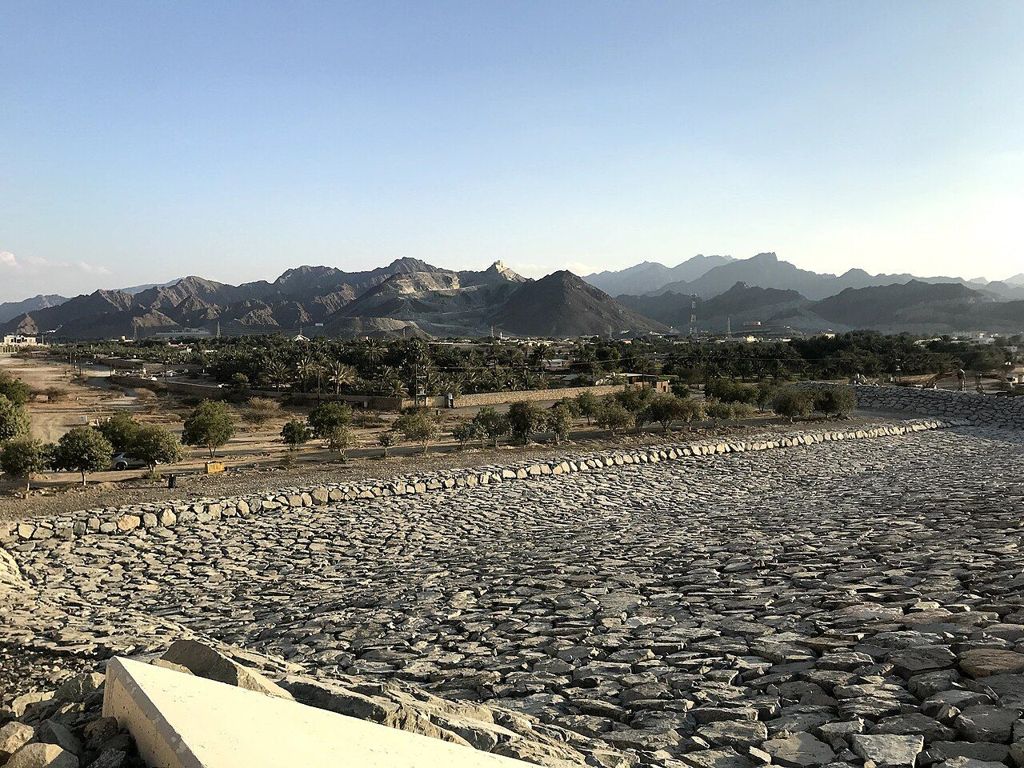
Far from the coast, two small pieces of Ajman sit among farms, gravel plains and rocky hills. A day's drive inland shows a slower, greener and older side of the emirate.
Most visitors think of Ajman as a strip of coast between Sharjah and Umm Al Quwain. In fact, the emirate also includes two inland enclaves, separated from the city and from each other by the territory of other emirates. Manama lies on the gravel plains to the east, on the way towards the mountains. Masfout sits further south-east, right in the foothills of the Hajar Mountains, close to the border with Oman and near Hatta.
Both are small, mostly agricultural communities. There is no single sight that demands a visit, but the drive and the landscape make a good day out in the cooler months, and they give you a very different picture of the emirate from the one you see on the corniche.
The drive inland
From the coast, the roads run east across flat, sandy country, then through gravel plains dotted with acacia trees, camel farms and small settlements. The mountains appear first as a dark line on the horizon, then grow into jagged ridges of brown and grey rock. Most of the route is on good main roads, and it is straightforward to drive in an ordinary car.
A few things are worth knowing before you set off. Distances are greater than they look on a map, and fuel stations can be spaced out once you leave the main highways. Fill up before leaving the coast. Speed cameras are common, and limits change frequently along the way. Camels and goats sometimes stray onto smaller roads, especially near farms.
Manama
Manama is a quiet town of low houses, farms and date palms, with a mosque, schools and the everyday services of a small community. It sits on the plains rather than in the hills, and the landscape around it is open and flat. Life here moves at a slower pace than on the coast, and most visitors simply pass through on the way to the mountains or to the east coast.
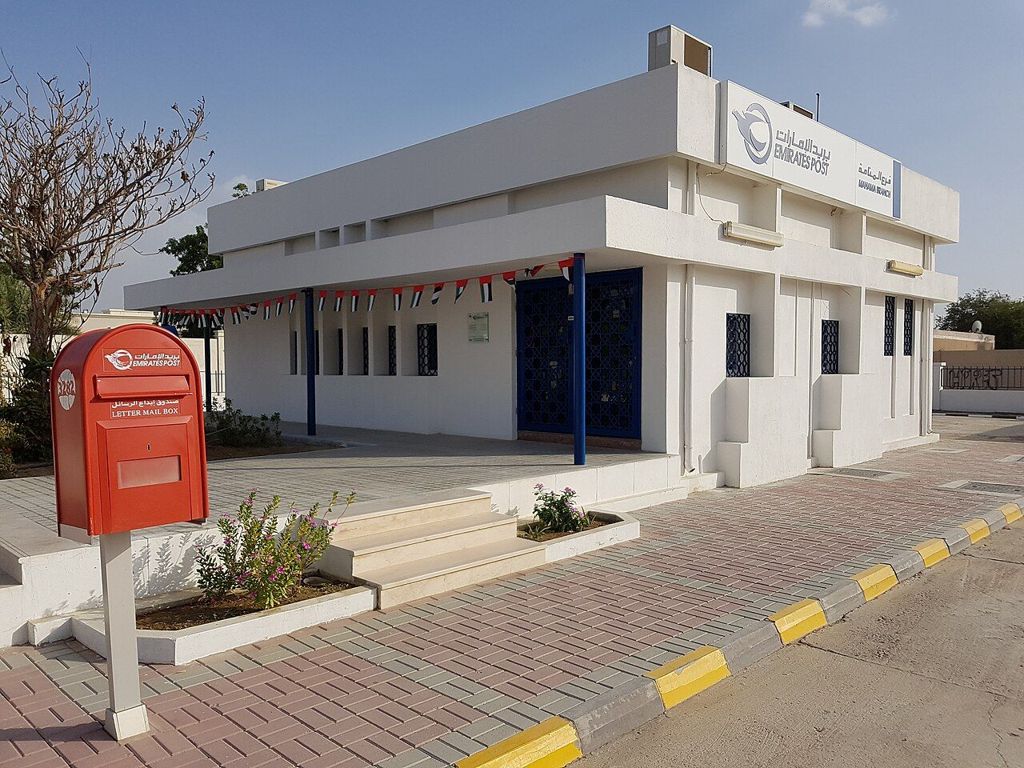
If you stop, do so with an eye to local custom. This is a conservative rural area, and people are not used to tourists photographing their homes or farms. Keep your camera for the landscape, and ask before photographing anyone.
The post office, the small shops and the mosque mark the centre of town, and it is a reasonable place to buy cold drinks and stretch your legs before continuing. Beyond the town, the open plain stretches towards the hills, with farm walls, scattered trees and the occasional herd of camels moving slowly across the gravel.
Another note: The Al Zorah mangroves
Masfout, the farms and the dam
Masfout is the more scenic of the two. The town sits in a broad valley among the Hajar foothills, with palm groves and small farms watered by wells and by run-off from the hills. Farm produce is sold locally in season. Stone-walled fields, irrigation channels and old houses give it a sense of continuity with the past.
A dam above the town catches the rare but heavy winter rains, holding water that would otherwise rush down the wadis and away. The photograph at the top of this note looks across a stone-faced embankment at Masfout to palm farms and the foothills beyond. After rain, water may stand behind the dam for a while; at other times the basin is dry. Do not climb on the dam structure where signs say not to, and keep well away from wadis when rain is forecast, because flash floods can arrive with little warning even when skies above you are clear.
The old watchtower and the hills
Masfout has an old fort, a stone watchtower on a rise above the town, which once guarded the valley and the routes through the hills. It has been restored and makes a good viewpoint over the palm groves and surrounding ridges. Access arrangements vary, so you may only be able to see it from outside.
The hills around Masfout invite exploration on foot, but the terrain is rocky, steep in places and shadeless. Stick to short walks on clear paths unless you are an experienced desert hiker with proper maps and gear. The border with Oman is close in places, and it is not always obvious on the ground; stay on established roads and do not wander towards it.
Heat, water and timing
The interior is hotter and drier than the coast in summer, and from about May to September a day trip is uncomfortable and potentially dangerous. Winter is a different story: clear, sunny days, cool mornings and evenings, and sometimes chilly nights in the hills. Even then, the sun is strong at midday.
- Bring several litres of water for each traveller, and drink steadily.
- Wear a hat and light, long-sleeved clothing.
- Start early and plan to be back on main roads before dark.
- Keep a charged phone, but expect patchy signal in the valleys.
- Pack a simple lunch, because places to eat are few and far between in the hills.
Manners in rural Ajman
Dress conservatively, with shoulders and knees covered. On Fridays, the midday prayer is an important part of the week, and towns are quiet around that time. During Ramadan, small shops may close during the day and open in the evening, and you should not eat or drink in public before sunset.
Back on the coast, you can round off the trip with an evening walk along the Ajman corniche, or save a morning for the Ajman Museum to see how the coast and the interior once fitted together in the life of the emirate.
On the day
- Best time: Winter, early morning to mid-afternoon
- From the city: Car from the coast; allow a full day
- Bring: Full fuel tank, water, hat, sturdy shoes, modest clothes